Kyalo Muli’s NLP Rules Out Automatic Backing of Opposition Candidates Ahead of 2027

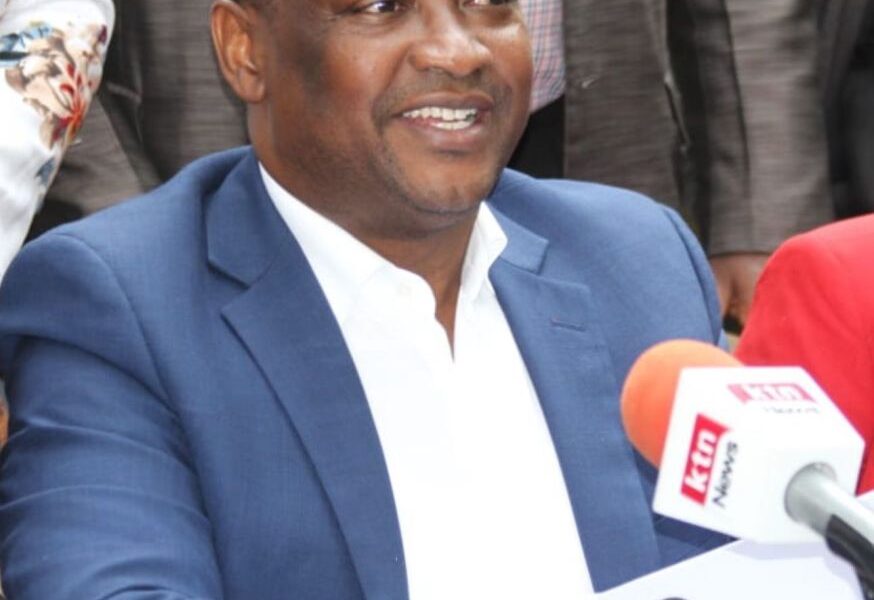
The National Liberal Party (NLP) leader and Anzauni Clan National Patron, Dr. Augustus Kyalo Muli, has declared that his party will not automatically back either H.E Kalonzo Musyoka or Dr. Fred Matiang’i in the 2027 General Elections, signaling a potential shake-up in Kenya’s opposition politics.
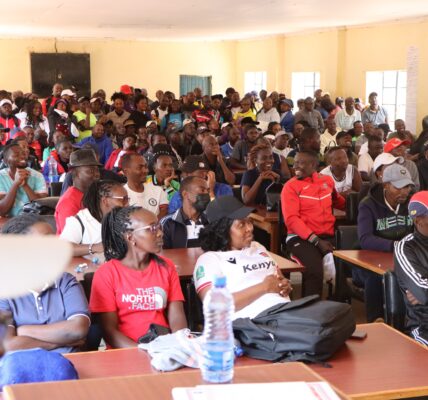
Speaking amid intensifying political realignments, Kyalo Muli asserted that the NLP intends to chart its own course rather than fold into any pre-existing coalition arrangements. His remarks come at a time when opposition leaders are widely expected to unite behind a single presidential candidate to challenge the ruling establishment. “We will form the next government or be part of the winning coalition,” Muli said, underscoring his party’s ambition to play a central role in determining the outcome of the 2027 presidential race.
Muli also criticised Wiper Patriotic Front leader Dr. Stephen Kalonzo Musyoka’s long political career, arguing that it has not translated into meaningful gains for the Kamba community, and called for new leadership ahead of 2027. His remarks risk further fragmenting the Kamba vote and complicating opposition coalition-building efforts.

The statement marks a bold attempt by Dr. Kyalo Muli to position himself as a fresh political alternative within the Ukambani region and beyond, as competition for influence in the opposition ranks intensifies.
Kyalo Muli’s declaration comes against the backdrop of reported internal wrangles within the opposition, particularly in the Orange Democratic Movement (ODM). Differences between party leader Dr. Oburu Odinga and a section of lawmakers, including Edwin Sifuna and Babu Owino, have exposed cracks that could complicate efforts to forge a united opposition front.
Analysts observe that such divisions may create space for smaller parties like NLP to assert themselves as kingmakers in a closely fought election.
The NLP says it has over 500,000 registered members. While modest compared to Kenya’s major political parties, political observers note that in a tight electoral contest, such numbers could be decisive.
In the 2022 General Election, President William Ruto won by a margin of just about 200,000 votes. In a similar scenario, NLP’s half-a-million-strong support base could become a crucial voting bloc if effectively mobilised.
Muli has maintained that he is not waiting for elite consensus, instead projecting himself as a unifying national figure championing marginalized communities and coastal interests.
Months earlier, the Agikuyu Council of Elders reportedly endorsed Muli, granting him blessings to campaign in the Mt Kenya region. Though the endorsement attracted limited media attention at the time, analysts argue it signaled possible political realignments ahead of 2027.

The elders are said to have encouraged him to promote unity between the GEMA and Kamba communities, a move that could significantly reshape Kenya’s political arithmetic if actualized.
In addition to his national ambitions, Dr. Muli has declared his intention to contest the Kitui Central Constituency Member of Parliament seat in 2027, further cementing his bid to establish a strong political foothold both locally and nationally.
As the 2027 elections approach, Muli’s assertive stance sets the stage for a potentially fragmented but dynamic opposition landscape, with the NLP positioning itself as a force unwilling to play second fiddle in Kenya’s evolving political arena.
Ends///